Permitting and infrastructure concerns may trip up immigration detention centers despite DHS secretly purchasing two empty, rural Pennsylvania warehouses.
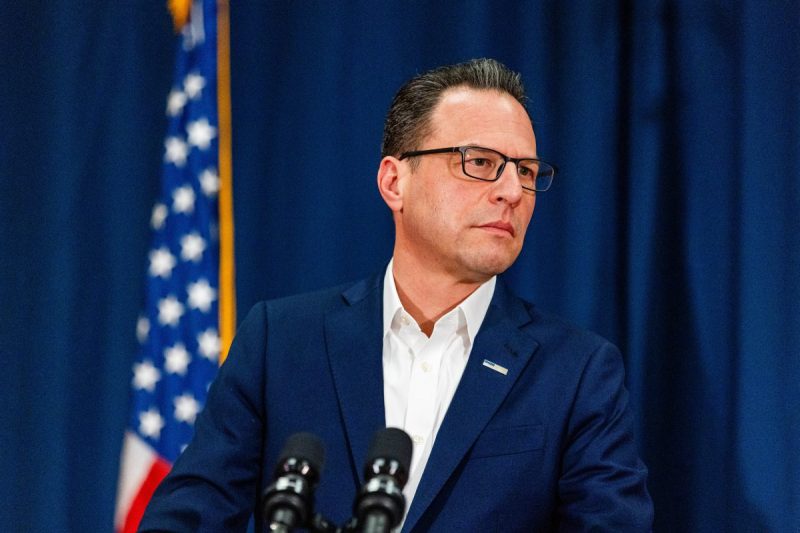
At a press conference in Berks County on Thursday, Gov. Josh Shapiro vowed to explore any possible legal avenue to prevent the US Department of Homeland Security (DHS) from converting two empty warehouses into massive immigration detainment centers in Berks and Schuylkill counties.
“ I want to be very clear. I don’t want either of these sites here in the Commonwealth of Pennsylvania,” Shapiro told reporters at a press conference in Berks County on Tuesday. “While the federal government has enormous power to place these across the country, I want you to know we are not powerless here in the Commonwealth of Pennsylvania, and I intend to use every tool at my disposal to stop these facilities from coming here.”
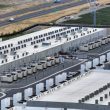
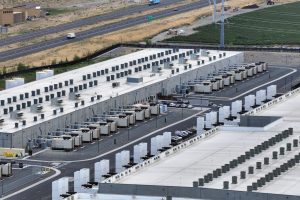
Shapiro spoke roughly 20 minutes away from the proposed center in Upper Bern, Berks County, which is tucked off of Interstate 78 next to an Amazon warehouse and surrounded by orchards owned by the Stoudt’s Fruit Farm and Winery.
Residents living around the proposed detention center in Tremont, Schuylkill County, which is set to house 7,500 detainees, will lose their ability to flush their toilets or run the water in their houses within 24 hours of that center opening because of strain on the local infrastructure.
“ We know for example in Tremont that if this is built, they will literally run out of water within 24 hours,” Shapiro said.
“That means that they literally won’t be able to turn on the water in their kitchen and fill up a pot of water. They won’t be able to flush the toilet.”
Even though DHS purchased these facilities without alerting local, state, or other federal officials, Shapiro hinted that the state will need to issue permits through the Pennsylvania Department of Environmental Protection and other agencies in order to bring the infrastructure up to par.
“ They need a number of permits through the Department of Environmental Protection. They need other permits and other regulatory approvals from the Commonwealth, and we’re examining each of them,” Shapiro said.
On top of the infrastructure issues, there are concerns that these facilities may have a negative economic impact on those rural communities.
Tremont is expected to lose $195,000, or 60% of its property tax budget and Upper Bern and the surrounding area may lose upwards of over $828,000 in tax revenue for the county, township and local school district.
“ There is real concern I think in both counties, and certainly I feel this across this commonwealth, of this having a negative impact on the community economically [and] taking away attention from the kind of job growth that we want in these counties,” Shapiro said.