The Family Care Act would establish a statewide paid family and medical leave program in Pennsylvania. The House has passed it, but its future in the Senate remains uncertain.
The push for paid family medical leave isn’t just policy for Rep. Jennifer O’Mara. It’s personal.
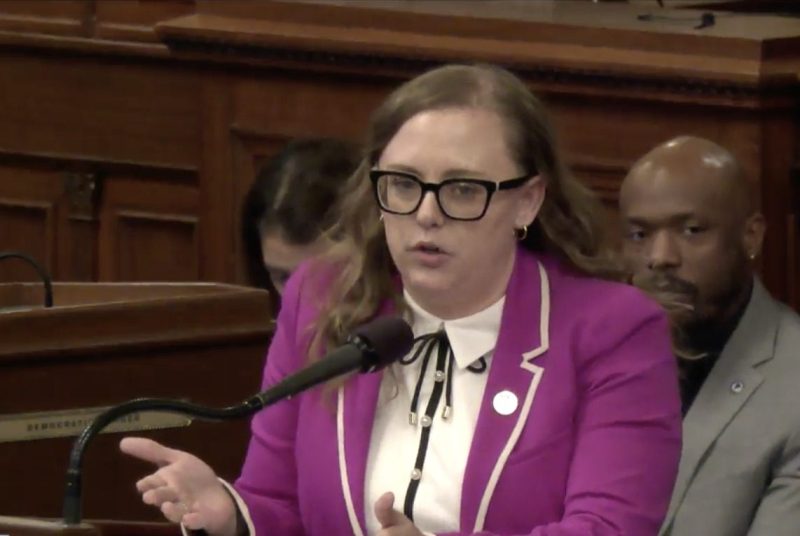
While speaking on the House floor, the Delaware County representative recalled watching her single mother, a school bus driver, return to work just three weeks after giving birth because missing a paycheck wasn’t an option. Years later, O’Mara said her husband struggled to keep jobs. A military veteran injured in the line of duty, he had been denied paid medical leave in the past.
“People shouldn’t have to choose between a paycheck and taking care of themselves,” O’Mara said.
Pennsylvania does not currently have a statewide paid family and medical leave program, leaving access to paid leave largely dependent on individual employers. Nearly 4 million people, or 66% of the workforce in the commonwealth, do not have access to paid leave.
That’s why O’Mara introduced House Bill 200, also called the Family Care Act, earlier this year. Just last week, it passed the House, with all Democrats and only a handful of Republicans voting in favor. The bill will now head to the Senate for a vote.
What the bill does
HB 200 would create a program allowing eligible workers to receive partial wages for up to 12 weeks while taking time off to care for a new child, recover from a serious illness, or care for a family member.
The legislation would also establish a Paid Family and Medical Leave Grant Program operated by the Department of Labor and Industry to help employers cover the cost of providing paid leave.
“If Washington, DC isn’t going to get it done, then frankly, colleagues, it is our responsibility to deliver for the people of Pennsylvania,” O’Mara said. “You should not have to be lucky or hold a certain job in Pennsylvania to care for your family.”
Who supported the bill
The bill passed the House by a vote of 107-92, with just six GOP lawmakers joining Democrats in supporting the proposal.
Republican Rep. K.C. Tomlinson, a co-sponsor of the bill, said she supports the concept of paid family leave but raised concerns about how the final version of the bill was revised.
Despite those concerns, Tomlinson voted in favor of the bill but said it was unlikely to advance further in the Republican-controlled Senate.
“The bill we are voting on will go nowhere after today,” Tomlinson said while speaking on the House floor.
Families need the policy
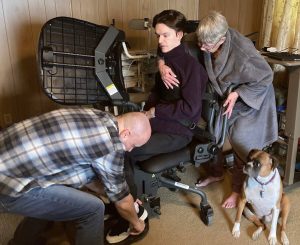
Federal law guarantees eligible workers up to 12 weeks of unpaid leave, but many employees either don’t qualify or cannot afford to take unpaid time off. A state program, O’Mara said, would prevent workers from having to choose between caring for themselves or their families and keeping their job.
O’Mara said a statewide program would also benefit employers, particularly small businesses that cannot afford to offer paid leave on their own.
Nationwide, 13 states—including neighboring New Jersey, New York, Delaware, and Maryland—have paid family and medical leave programs. Most are funded through employee payroll contributions, with some including employer contributions or requiring employers to provide coverage through private insurers.