More than half the calls to Pennsylvania’s gambling helplines are now mentioning online gaming as the focus of their compulsive behavior as these digital platforms continue to grow in popularity, according to a recent study.
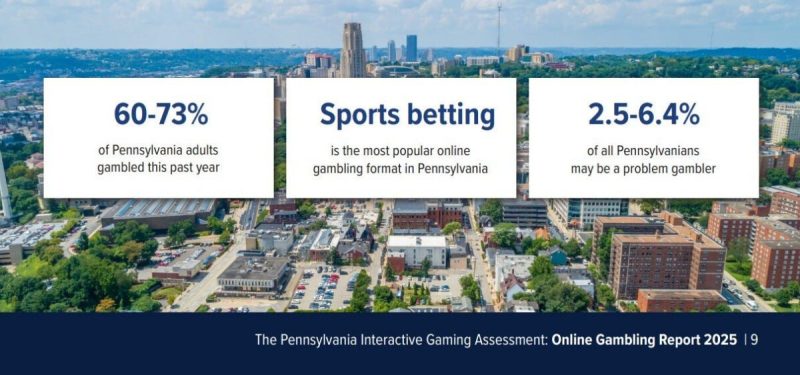
With the legalization of sports betting and online gambling in the past decade, people now have access to these activities virtually wherever they go and whenever they want. In the last fiscal year, as many as 31% of the commonwealth’s adults wagered money online, according to a study released in January by Pennsylvania State University.
The researchers, who surveyed more than 3,500 people, estimated that between 2.5% and 6.4% of Pennsylvania adults are problem gamblers, and many more are at risk of developing compulsions. People who play both online and offline games report the highest rates of problem gambling, according to the annual report.
These trends reflect booming growth in the Keystone State’s online gaming, which posted record revenues in 2024-25 after a 50% jump in earnings.
What the survey reported about problem gaming in Pa.
People who only gamble offline — whether by buying paper lottery tickets, frequenting casinos or visiting bingo halls — tend to have the least likelihood of sliding into addictions, the PSU researchers have found in their annual surveys. Only 15% of these respondents said they gambled on a weekly basis.
The gamblers who only bet money in person also skewed older and were more likely to be female and White compared to the online gamers.
At highest risk of addiction are the mixed-mode gamblers, who wager both online and in person, according to the survey data. Nearly half of these individuals said they wagered money at least once a week, and they spent between $105 to $230 each monthly on the activity.
The researchers noted that the number of Pennsylvanians who self-excluded from online gambling in 2024-25 jumped by 65%, with 4,403 new people enrolling in the state-run program.
Concerns about youth gambling
More than a tenth of the online-only gamblers in the PSU surveys reported they are students, echoing concerns within Gov. Josh Shapiro’s administration about an increase in youth gaming in the commonwealth.
Officials on March 6 launched an online toolkit with information about teen gambling and resources for finding help.
“Ensuring the wellness of our students starts with equipping them with the tools they need to recognize when something is dangerous or unhealthy, and to ask for help when they need it,” Pennsylvania Education Secretary Carrie Rowe said in a statement.
Officials said parents and other caregivers should look for signs of problem gambling, including a loss of interest in activities, a dip in grades or a spike in the time a kid spends on their phones or gaming devices.
Pennsylvania runs a round-the-clock problem gaming helpline at 1-800-GAMBLER.