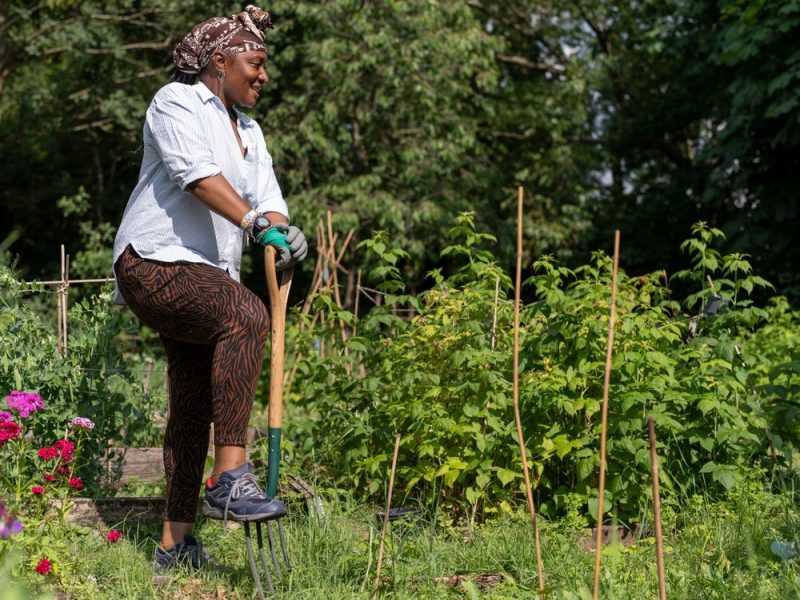
After this year’s inconsistent and somewhat harsh winter weather, we are all starved for fresh air and sunshine.
To a gardener, spring brings to mind a long list of things to do, from cleanup to pruning to planting. Knowing what needs to be done and when to address your list of chores is key to a fresh and healthy landscape.
No matter how anxious you may be, though, postpone walking on wet soil, especially clay. Our body weight can cause soil compaction, compromising the air space and drainage necessary for plants to thrive.
Snoop around: Look for heaved plants; shallow-rooted ones are susceptible to freeze-thaw lift, for example, coral bells (Heuchera), strawberries, and pincushion flowers (Scabiosa), and you’ll want to push the plant back into the ground. Remove any over-wintered bagworms; they contain hundreds of eggs waiting for June. Look for signs of damage or disease on trees, shrubs and lawns. Spring is a good time to initiate treatments to control diseases that were present last year and are getting ready to reappear.
Clean up: April is a good time to remove plant stick material left for winter interest and beneficial insect winter housing. Pull weeds as you clean up, before they flower or set seed. Crumble remaining leaves and turn under. Leaves will decompose in a couple of weeks and are excellent compost. However, any diseased leaves that remain from last year should be bagged and discarded, not added to your compost pile or left on the soil below the plant to reinfect. Clean and lubricate gardening tools as well.
Improve the soil: Perform a soil test every couple of years, especially if maintaining a vegetable garden or creating a new vegetable or flower bed. Test results will indicate how to correct your soil pH, if needed, and which nutrients should be added. Maintaining a correct pH will help your plants absorb soil nutrients. Add compost to improve soil texture. If mulch is present, break up the crust and respread; avoid heaping mulch against stems of plants and tree root flare to avoid rotting.
Lawn: Sharpen the blades and service the lawn mower with fresh oil and filters if applicable. Charge batteries for electric mowers. Rake up large debris before mowing. Mow the lawn to about 3 inches and leave the grass clippings. Rake, smooth and amend any damaged or bare spots in the lawn with topsoil and reseed. If you found road salt overspray damage, flush the soil with water to a depth of 6 inches. Apply a pre-emergent herbicide for crabgrass control if desired.
Prune: Prune winter-damaged shrubs, trees and herbaceous plants. Prune overgrown, dense shrubs (based on flowering schedules) – lilac (Syringa), red twig dogwood (Cornus sericea), Viburnum and Forsythia after the worst of the cold but before bud break. You may lose some flowers, but it will improve the plant’s overall health and appearance. By removing some older shoots at ground level, you provide better air circulation, encourage new growth and discourage fungal disease.
Perennials: Spring is a good time to divide most overgrown ornamental grasses and perennials. A dead circle in the center of a clump is an indication that the plant needs to be divided. Spring bloomers are better done after bloom or in the fall. If a plant was unhappy last year, move it. Remember: “The right plant in the right place.” The plant might need more sun or shade and will thrive in another part of your garden.
Bulbs: Fertilizer can be added when the bulbs start to poke out of the ground. After blooming, deadhead, but allow the green leaves to yellow and wither before removing; they gather nutrients for next year’s flowers.
Edge beds: Laying out a hose around your garden beds helps to visualize pleasing curved edges around beds. Then make clean slices 3 to 4 inches deep with a sharp spade to remove grass that has invaded the bed. This gives your bed a finished look and is easier to do early in the season.
Vegetables: Started indoors, seedlings may be gradually introduced to outside elements before planting. Follow packaging suggestions for outdoor temperatures and hours for hardening off new plants. Add some flowers to your vegetable garden or containers for diversity and to attract butterflies and pollinators. Improve soil quality with composts; veggies use more nutrients than perennials.
Enjoy: Cut a couple of stems of spring flowers for a vase inside your home. Plant a new tree or shrub. Put out your hummingbird feeder. Plan your container combos. Use sunscreen on your winter-weary skin. You’ll be glad you did.
The Master Gardener Hotline at 724-371-2062 is available to help with questions or more detailed information on timing, soil and plant health and tool maintenance.