Nearly 12.4% of women in Pennsylvania lack access to a birthing hospital within a 30-minute drive. The national average is 9.7%.
Imagine being pregnant and having to drive more than 30 minutes to get the consistent care you need.
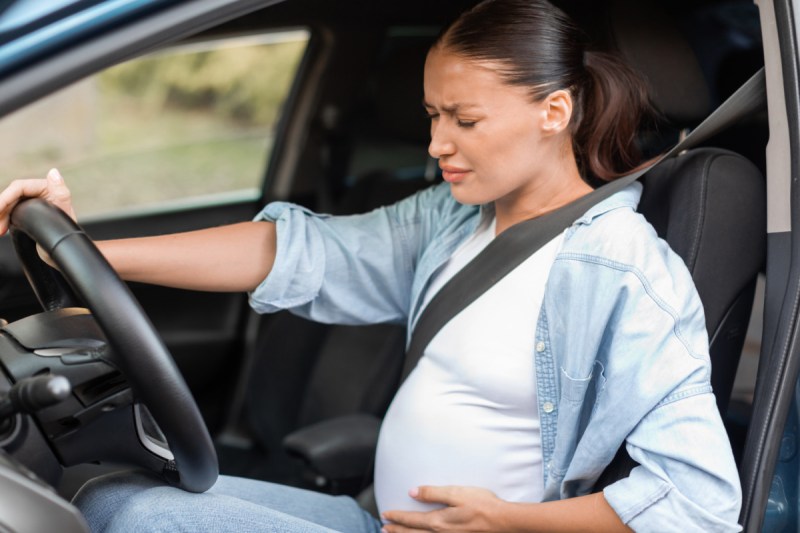
That’s what happened to Kaitlyn Moore, a Berks County resident who had her first child early last year. The drive to the hospital was 30-40 minutes over back country roads. It was stressful, she told us in a 2023 interview, to be pregnant and be that far from care. What if something went wrong, she said.
That’s the reality for many women in the state. According to recent data from the March of Dimes, 7.5% of counties in Pennsylvania are maternity care deserts—areas without accessible maternity care. Nearly 12.4% of women in the state lack access to a birthing hospital within a 30-minute drive. That’s higher than the national average of 9.7%.
What’s more, women living in maternity care deserts face a 13% higher risk of preterm birth.
Pennsylvania currently does not have a way to identify areas that could be at risk of becoming a maternity care desert. That’s why Rep. Gina Curry (D-Delaware) recently introduced House Bill 432, which would create a “maternal care access zone” designation, and set up a system to identify areas across the state that either already are maternity care deserts, or are at risk of becoming one.
“It is critical these areas are identified so additional resources can be used to improve maternal health outcomes,” Curry said.
She’s part of a group of state House Democrats who formed the Black Maternal Health Caucus, in response to racial disparities in health outcomes for pregnant and postpartum women in Pennsylvania. House Bill 432 is named the Maternal Care Access Act, and it comes as part of a series of bills aimed at improving maternal safety and access in the state.
The maternal mortality rate has been on the rise for decades, according to the Centers for Disease Control and Prevention. The US has the highest rate of any developed country, at 18.6 deaths per 100,000 births. In Pennsylvania, the maternal mortality rate is 16.7.
Even in areas with access to maternal care, other challenges—like poverty, limited transit, lack of insurance, and systemic racism—can put families at risk of poor maternal and infant health outcomes. Estimates from the CDC show that 60% of pregnancy-related deaths in the US are preventable, but inadequate treatment and identification of health risks contribute to hundreds of maternal deaths annually.
What can be done about this? Improved Medicaid access and reimbursement for maternity and postpartum care, expanded Medicaid eligibility, and improved access to birthing professionals like doulas and midwives are all known solutions to lowering the maternal mortality rate. But a critical step is to learn where care is needed most—and here in Pennsylvania, Curry is hoping to convince her colleagues to get the ball rolling.