Under Pennsylvania law, Rose, Blanche, Dorothy and Sophia couldn’t commiserate over cheesecake in the kitchen they shared or spend time relaxing together on their lanai.
Fortunately for “The Golden Girls” they lived in Miami, not the Keystone State, because one Pennsylvania lawmaker says that some communities throughout Pennsylvania still have outdated laws on the books that would prevent such living arrangements.
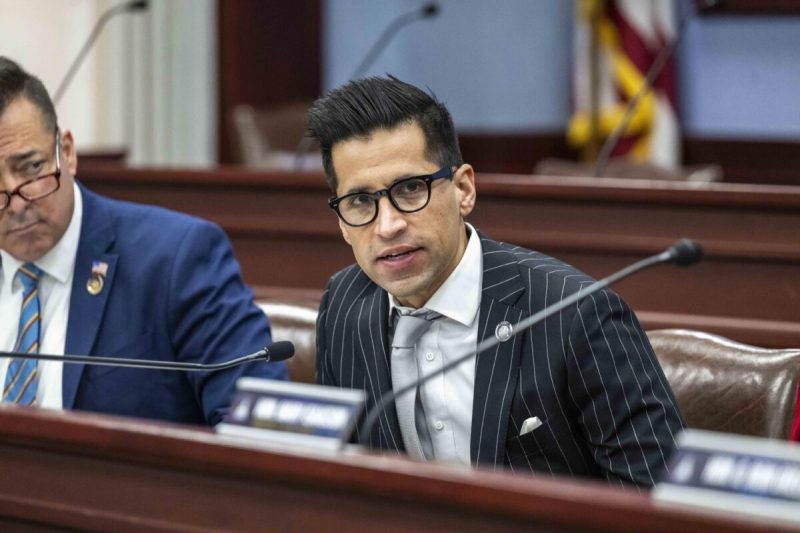
That lawmaker, state Rep. Tarik Khan, D-194th Dist., hopes to allow more Pennsylvanians to live like the fictional characters of “The Golden Girls” to help address very real issues: rising housing costs and a shortage of at least 265,000 affordable homes.
Khan says antiquated laws in communities across Pennsylvania prohibit the number of unrelated people who can reside together in the same home.
“Many of us remember ‘The Golden Girls,’ a popular 80’s TV show about four women who chose to share a home to save money and support one another like family,” Khan, who represents a portion of Philadelphia, wrote in a co-sponsorship memo dated Dec. 12. “With housing costs rising so quickly today, sharing space like that is more important than ever. Yet in many Pennsylvania communities, outdated rules make these kinds of living arrangements illegal.”
Not only do such laws increase demand, they also “prevent friends, workers, older adults, and families from saving money by sharing a place,” he wrote.
‘A friend in Pennsylvania’
Khan is proposing a bill that would prevent “arbitrary limits on unrelated roommates, except where true health and safety standards apply.”
“The effect of this legislation will expand housing options, help people afford to stay in their communities, and modernize housing policies,” Khan said. “Other states like Iowa and Colorado have already moved in this direction. We respectfully ask for your support so more Pennsylvanians can share a home, support one another, and know they truly have a friend in Pennsylvania.”
H.B. 2109 was referred to the House Committee on Housing and Community Development on Jan. 5.
The bill would only permit limitations based on health and safety rules, fire code regulations and wastewater and water quality standards or federal, state and municipal affordable housing program guidelines.
In addition to Khan, 20 other House Democrats and one Republican, state Rep. Abby Major, have co-sponsored the legislation.