INFRASTRUCTURE
-
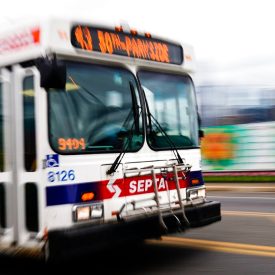
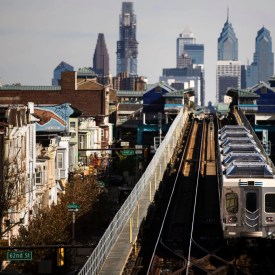
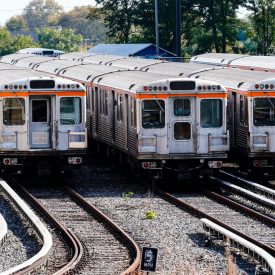
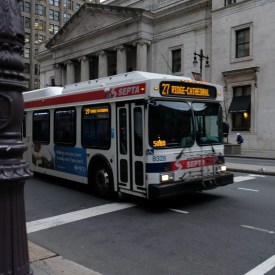
SEPTA moving forward with service cuts, thanks to budget stalemate
Barring a last-minute deal, the mass transit agency, which serves 800,000 riders daily in the greater Philadelphia region, will institute a 20% reduction in all services on Aug. 24, and fare increases on Sept. 1.
-
We asked, you answered: Where do you stand on funding for public transit in Pennsylvania?
Around 1 million Pennsylvanians rely on mass transit daily in urban, suburban, and rural regions. In the Philadelphia region, where SEPTA serves around 800,000 riders each day, significant service cuts are possible if lawmakers in Harrisburg can’t agree on a funding package by Thursday.
-
Pennsylvania House makes last-ditch effort to stave off cuts at Philadelphia’s public transit agency
The bill—which includes funding for highways, too—increases aid for transit agency operations by $292 million, or about 25% more, with the lion’s share of the money going to the Philadelphia-based Southeastern Pennsylvania Transportation Authority.
-
Pa. House Democrats push a transit funding bill—again—as SEPTA warns of coming cuts
An estimated one million Pennsylvanians rely on mass transit each day in urban, suburban and rural regions.
-
What’s at stake over proposed increase in mass transit funding in Pa.?
“If they cut the 32 bus especially, there goes my job. There goes my place to live. It’d put my freedom on the line.”
-
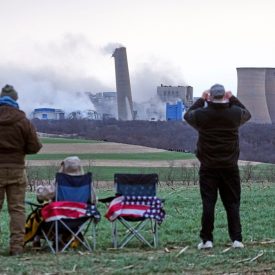
Energy and tech companies said they’re investing $90B in Pa. What will they build?
Fossil fuel projects make up the largest category among the developments announced last week in Pittsburgh.
-
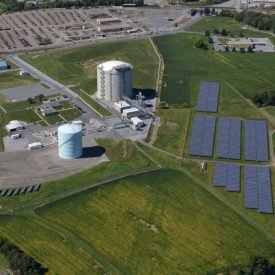
‘Will solar panels replace farms?’ Answering your questions about clean energy in PA
Is clean energy expensive? How do windmills help when it’s not windy? How does clean energy get stored? Pennsylvania’s Lightning Plan is helping make the Keystone State an energy innovator again—but how does it work? We break it down.
-
Here’s how (and when) the Lightning Plan could save you money
The Lightning Plan is a laundry list of bills to help Pennsylvanians save money on energy and improve efficiency across the state—but it can be confusing. We’ve broken down how the changes could affect your wallet.
-
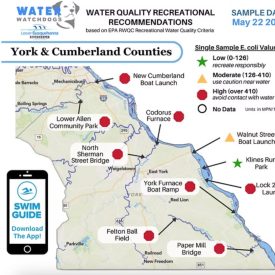
Careful where you swim. Some York County waterways have elevated levels of e. coli
According to testing conducted at 20 different locations by the Lower Susquehanna Riverkeeper throughout the watershed, e. coli is found at levels above those considered safe under U.S. Environmental Protection Agency guidelines in many of those waterways.
-
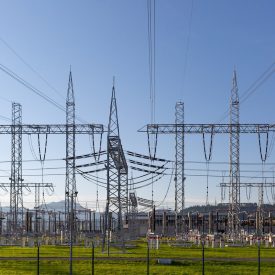
For first time, Pa. power grid operator concerned supply might fall short of summer demand
The regional electric grid operator PJM Interconnection forecasts for the first time that it might not be able to supply enough power to Pennsylvania and other states this summer in “extreme” circumstances and would need to ask some consumers to reduce their usage.