Increases in energy prices and demand, along with delays in assistance programs such as LIHEAP, has some Pennsylvania lawmakers advocating for the state to look at more affordable energy options, such as clean energy.
Last year, Karriem Sweets didn’t know how he’d keep the heat on. Out of work and behind on bills, the north Philadelphia man looked for ways he could get back on his feet.
“I was struggling. I needed help with my bills,” Sweets said. “So I really relied on my government to help me out. I applied for LIHEAP and I was approved.”
This year, though, there have been delays to LIHEAP—the Low Income Home Energy Assistance Program—due to the government shutdown. While the application process is now open again, funds have been delayed at least a month as temperatures drop in the commonwealth.
Sweets said he isn’t the only one struggling to pay utility bills. As a community leader, he said he’s heard from many people that they’ve had to choose between paying a bill and putting food on the table.
“I am someone who cares deeply about my community,” he said. “I see the pain firsthand as a resident.”
Why are utility bills rising?
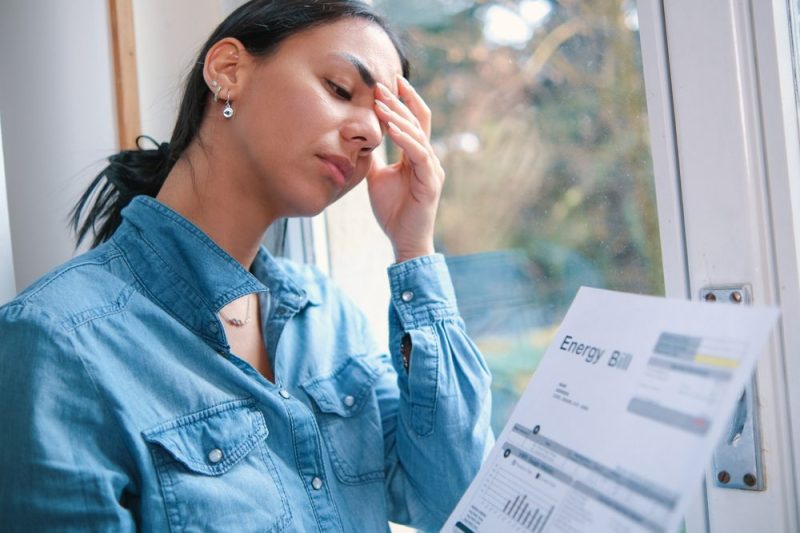
Energy prices have skyrocketed in recent years, and as a result, utility shutoffs are increasing. One in five Pennsylvania households reported a problem paying their energy bills. Electricity shut-offs are up about 38% this year.
According to some state lawmakers, the energy affordability crisis is part of something bigger—a strain on energy resources across Pennsylvania. It’s a challenge they say could be solved with something that’s local, unlimited, and proven: clean energy.
“Heat in the winter shouldn’t be a luxury, but surging demand due to extreme weather, expanded data center activity, and outdated energy infrastructure are driving energy bills higher,” said Rep. Elizabeth Fiedler (D-Philadelphia). “Renewable energy is the fastest and cheapest way to get more energy on the grid, and a key to making sure our supply is meeting demand.”
Recent data shows that Pennsylvania energy customers faced residential increases of up to 20% this year, and up to 29% for businesses. In Bucks County, over 230,000 PECO Energy Company customers saw their electric bills go up almost $15 a month. And there’s another increase set for next year.
That’s because energy demand is surging from technology and commercial users, driving up costs for everyone.
And those costs aren’t going away. But there’s a solution that makes sense to many Pennsylvanians footing the bill.
Bringing down the cost
“We need every available tool — rooftop solar, utility-scale renewables, demand management, and advanced grid planning — to meet this moment,” said Stephen DeFrank, Pennsylvania Public Utility Commission chairman. “We need to keep planning for the future, and that means making room for every viable energy solution.”
Adding clean energy to the toolkit has been proven to be especially impactful on a large scale—the entire US could be powered by a single solar panel farm about the size of Lake Michigan. For context, far more land is currently being occupied by fossil fuel plants, refineries, wells, storage, and mines. Solar and wind alone could meet the world energy demand 100 times over—even when the sun doesn’t shine and the wind doesn’t blow.
Right now, leaders are working on ways the state government can harness that savings and pass it on to residents.
Bills in the state House propose putting solar panels on warehouses and schools, expanding access to geothermal heating, and investing in new battery storage technology—all proven solutions for adding affordable, reliable energy to the grid. Every dollar invested in clean energy upgrades yields $2–$3 in savings, according to experts.
“We should not view energy affordability as a privilege, but as a right,” said Rep. Robert Matzie (D-Beaver). “Cooking dinner for your family is not a luxury. The ability for your children to do their homework online is not a luxury. Powering your life is not a luxury. These everyday needs should never, not ever, break the bank.”