While Pennsylvania trails behind some states in energy efficiency, new investments and financial incentives could indicate a shift toward prioritizing clean energy in the Commonwealth.
A new battery plant could signal progress toward integrating clean energy into Pennsylvania’s economic growth and affordability strategy.
Last month, the Commonwealth announced a $352.9 million investment by Eos Energy Enterprises to expand its battery manufacturing operations and relocate its headquarters from New Jersey to Pittsburgh. The project is expected to create 735 new jobs and retain 265 additional roles—that’s 1,000 positions in Allegheny County.
Gov. Josh Shapiro called the project, which the state will support with $22 million in grants and capital funding, “a testament to our region’s collaborative spirit and commitment to shared prosperity.”
Eos’s 432,000-square-foot manufacturing facility in Marshall Township is expected to partner with institutions like Carnegie Mellon University and local labor unions to build out advanced energy-storage capability.
Local, unlimited, and affordable
Clean energy accounted for just 4% of Pennsylvania’s in-state electricity in 2023. But investments like the Eos facility are part of a growing number of projects that could signal a trend toward prioritizing energy efficiency.
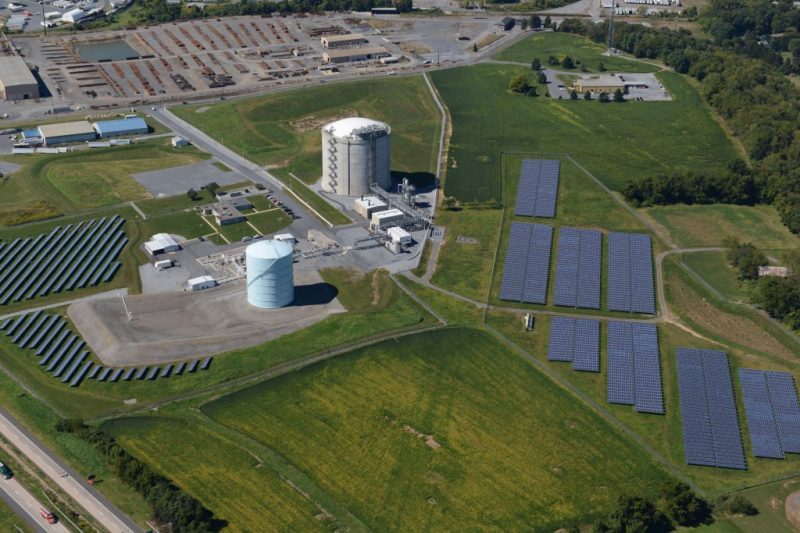
Pennsylvania is home to more than 1,100 solar businesses, 24 wind farms, and an increasing number of smart grid and energy storage projects. The state also manufactures renewable energy components. As those numbers grow, clean energy advocates hope benefits for Pennsylvanians will follow suit.
Expanded and accessible renewable energy in the Commonwealth could bring financial relief for families by protecting consumers from rising utility rates. The return on energy efficient systems is substantial: Every dollar invested in clean energy upgrades generates $2 to $3 in savings. Some Pennsylvanians say this formula has already paid off—in 2023, Somerset County farmer Rich Perkoski installed solar panels on his barn and saw his dairy farm’s monthly electricity bill drop from $2,500 to $74.
Although Pennsylvania still trails many states in renewable energy growth, endeavors like the Eos facility—along with expanded incentives under the Inflation Reduction Act and state policies—could represent a shift in momentum. For households and businesses seeking sustainable solutions, clean energy offers a resource that is cost-effective, locally sourced, and virtually unlimited.