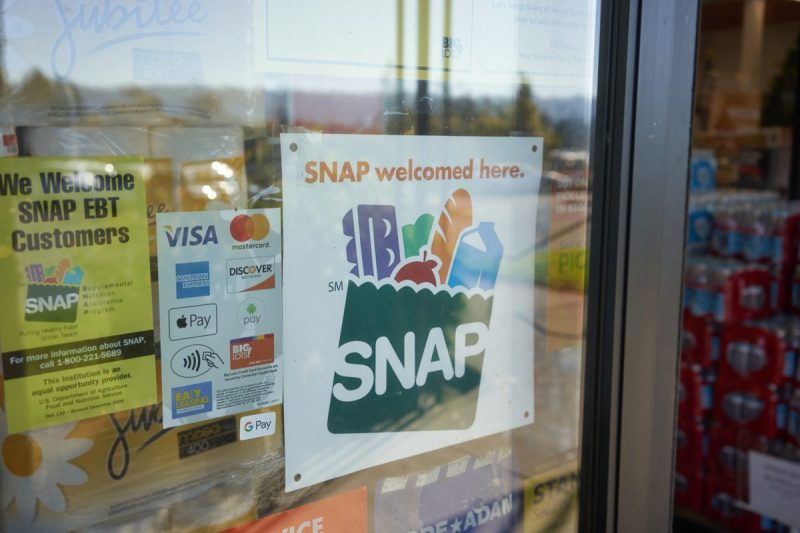
Pennsylvanians are expected to continue seeing Supplemental Nutrition Assistance Program payments in October despite the federal government shutdown.
The status of future SNAP payments if the partial shutdown persists is still uncertain.
Congress did not pass a budget before the start of the federal fiscal year on Oct. 1, triggering a shutdown of programs that depend on yearly appropriations, including SNAP.
This month’s SNAP benefits in Pennsylvania will be distributed weekdays through Oct. 14, according to the state’s normal SNAP distribution schedule.
About 46,800 Bucks County residents rely on SNAP, according to state data, totaling $8.37 million in benefits this fiscal year.
When the government shut down in late 2018, Pennsylvania distributed February 2019 benefits early, in mid January, in order to continue providing benefits under the 2018 budget. That shutdown ended on Jan. 25.
It’s unclear what will happen this time if the shutdown continues, according to the Food and Research Action Center, a non-profit advocacy group for people in poverty.
Will we still get SNAP, WIC benefits in PA during government shutdown?
“If a shutdown extends beyond mid-October, USDA could technically tap its contingency reserve funding to cover SNAP costs. Under the prior administration, this reserve stood at $6 billion, but it is unclear how much remains available or whether the current administration would choose to use it,” wrote attorney Gina Plata-Nino, the interim director for the nonprofit’s SNAP program.
“If USDA fails to instruct states to transmit the necessary electronic files on time, November SNAP benefits could be delayed or interrupted entirely.”
The Trump administration has said it plans to consider layoffs to address the shutdown.
Pennsylvania’s Women, Infants, and Children nutritional program, known as the WIC program, which is more reliant on federal funds than SNAP, has a short-term contingency fund, Becky Ludwick of Pennsylvania Partnerships for Children told CBS News, but it’s unclear how long the fund would last.
The nonprofit National WIC Association, which represents public health nutrition service provider agencies, estimated that the WIC program can continue for one to two weeks, and called on Congress to pass funding for the program.
“The timing of this shutdown at the start of the new fiscal year puts WIC at risk of rapidly running out of funds,” said Georgia Machell, head of the National WIC Association.
“This failure needlessly jeopardizes the health and nutrition of millions of pregnant women, new mothers, infants, and young children who rely on WIC.”