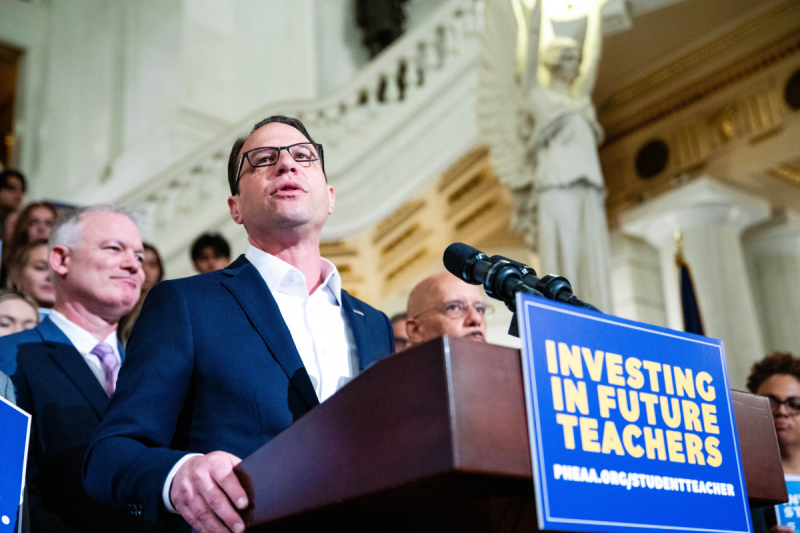
Gov. Josh Shapiro and PA lawmakers agreed to the 2024-25 fiscal budget and it includes a historic $1.11 billion education funding increase. However, advocates state that more needs to be done to close the education funding gap.
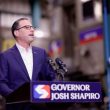
Pennsylvania state lawmakers passed the 2024-25 fiscal budget and sent it to Gov. Josh Shapiro’s desk for approval late on Thursday.
The $46.7 billion budget for the upcoming fiscal year includes a historic $1.11 billion increase in K-12 public education funding, $100 million increase for special education funding, $100 million to clean toxic schools and $25 million to help school districts install solar panels on school grounds.
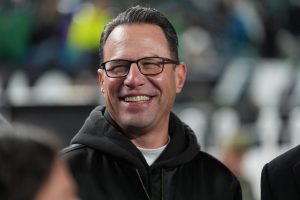
“This agreed upon budget delivers on bipartisan priorities to invest in our students, create safer communities, grow our economy, cut taxes and costs, responsibly spend taxpayer dollars, and build a better future with more freedom and opportunity for all Pennsylvanians,” Shapiro said in a statement on Thursday.
Education advocates praised Shapiro and lawmakers for completing the budget and taking the first steps towards closing the education funding gap. However, Spotlight PA reported that the budget did not include a multi-year timeline to close the $5.4 billion funding gap.
One item left on the chopping block this year includes the Pennsylvania Award for Student Success (PASS) scholarships, which would have created a state-funded voucher program to send public school students to private or religious schools.
Senate Republicans and right-wing organizations backed by Pennsylvania’s richest billionaire Jeffrey Yass have been unsuccessful at passing the PASS scholarships for the previous two budgets.
“The K-12 appropriation in this year’s agreed-to budget, while not at the levels of Governor Shapiro’s historic proposal, makes major investments in public schools that will provide new resources to students, including an unprecedented focus on investments in Pennsylvania’s most underfunded school districts,” a spokesperson for the PA Schools Work Coalition said in a statement.
“This funding is an urgent necessity that our coalition has been fighting for alongside many pro-public education legislators and on behalf of students for more than a decade: It will go a long way, particularly in the poorest school districts.”